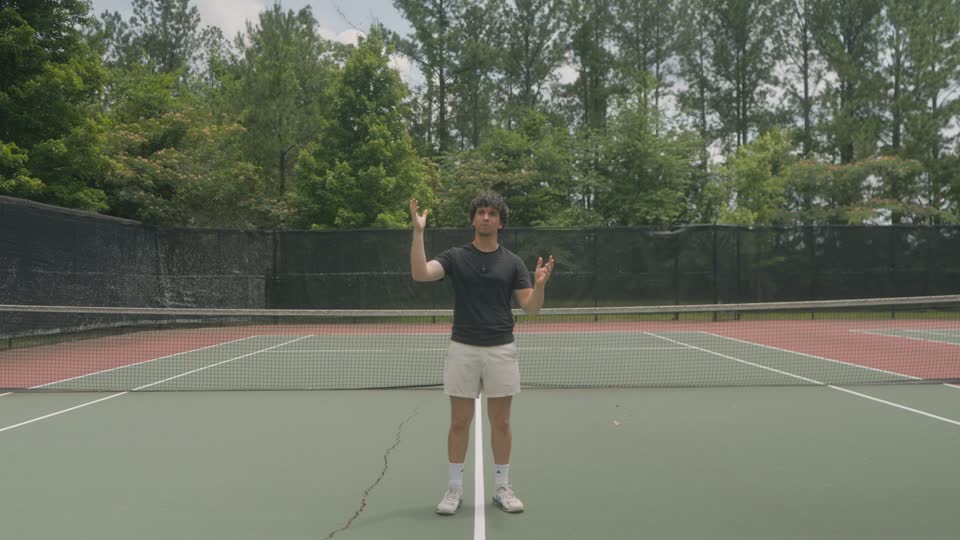
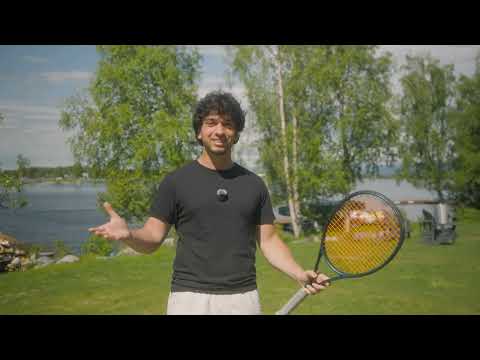
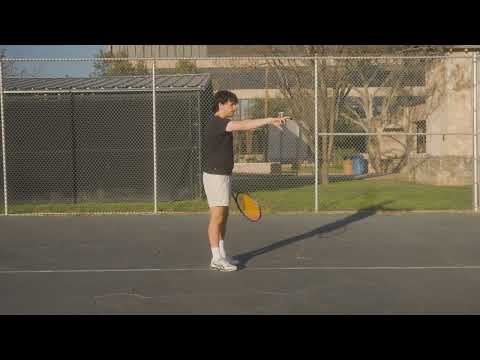
The optimal point of contact for your forehand is not universal; it depends on the grip that you have. Your grip dictates both the ideal height and depth where you should strike the ball.
0:00
0:15
15-second preview · Membership unlocks the full lessonJibran’s video lessonsForehand: Grip Contact Point Fine TuningForehand grip and contact height
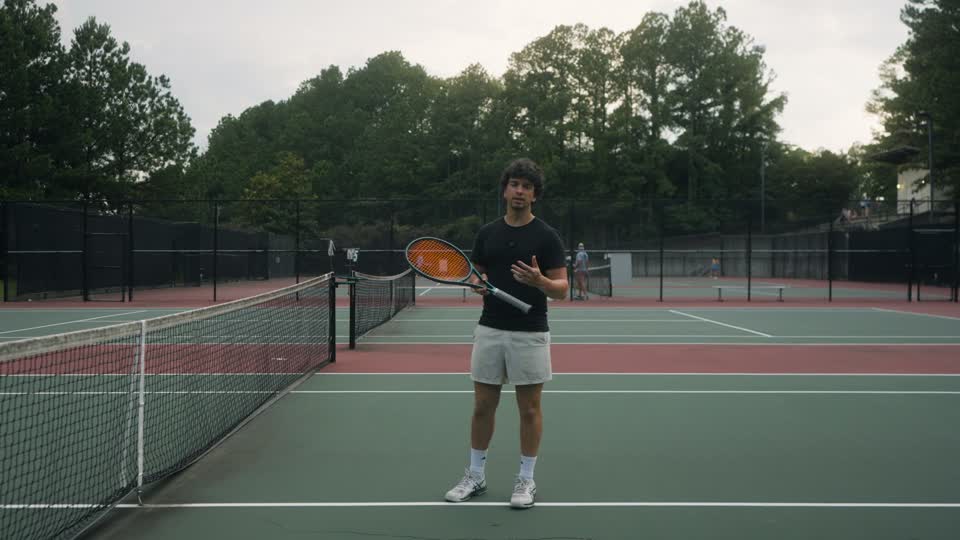
Depending upon the grip that you have, there is an optimal point of contact. If you have more of a continental grip, the ball down by your waist is going to be the appropriate height. As you move more toward Western, it's going to be higher up. So this range—from continental to Western—is going to be your optimal height.Open member libraryJoin the training membership
0:00
0:15
15-second preview · Membership unlocks the full lessonJibran’s video lessonsForehand: Grip Contact Point Fine TuningForehand grip and contact depth
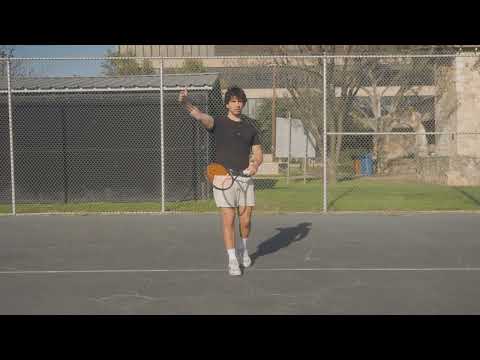
For continental grip, you're going to want to be more forward—lined up out in front. As you move more toward Western, it shifts back. If you're more Eastern, it's somewhere in between—say, 37.5 degrees on the swing path. Eastern semi-Western might be around 30 degrees. So as you move more toward a Western grip, your optimal contact point comes further and further back. It’s a curve. Grip affects where that curve lives.Open member libraryJoin the training membership
Adjusting for Contact Height by Grip
If you use more of a continental grip, the appropriate height for contacting the ball is down by your waist. As you move more toward a Western grip, your optimal contact point will be higher up. This range—from continental to Western—establishes your optimal height for contact.
0:00
0:15
15-second preview · Membership unlocks the full lessonJibran’s video lessonsForehand: Grip Contact Point Fine TuningForehand grip and contact height
Depending upon the grip that you have, there is an optimal point of contact. If you have more of a continental grip, the ball down by your waist is going to be the appropriate height. As you move more toward Western, it's going to be higher up. So this range—from continental to Western—is going to be your optimal height.Open member libraryJoin the training membership
Adjusting for Contact Depth by Grip
Just as grip affects height, it also determines how far in front of your body you should make contact. For a continental grip, you're going to want to be more forward, lined up out in front. As you move more toward a Western grip, your optimal contact point shifts further and further back. If you use more of an Eastern grip, your ideal contact point is somewhere in between; for example, it might be around 37.5 degrees on the swing path, while an Eastern semi-Western grip could be around 30 degrees. This relationship between grip and contact depth is best understood as a curve, and your specific grip affects where that curve exists.
0:00
0:15
15-second preview · Membership unlocks the full lessonJibran’s video lessonsForehand: Grip Contact Point Fine TuningForehand grip and contact depth
For continental grip, you're going to want to be more forward—lined up out in front. As you move more toward Western, it shifts back. If you're more Eastern, it's somewhere in between—say, 37.5 degrees on the swing path. Eastern semi-Western might be around 30 degrees. So as you move more toward a Western grip, your optimal contact point comes further and further back. It’s a curve. Grip affects where that curve lives.Open member libraryJoin the training membership
Practice Your Optimal Contact Point with Level Zero
To develop consistency at your optimal contact point, you can start with a 'Level Zero' drill. Your goal in this training is to achieve a success rate of at least 65% to 80% of the time. You should only begin to move back and progress further once you exceed an 80% success rate at this level. For Level Zero training, it is preferable to use a basket of balls. During your practice, focus on imagining the ball's path as a curve, not a straight line.
0:00
0:15
15-second preview · Membership unlocks the full lessonJibran’s video lessonsForehand: Starting at Level ZeroLevel zero contact drill
At level zero, at least 65 to 80 % of the time. Only once we finish with level zero by exceeding 80 % success rate, then we can begin to move back. I would like you to either have a basket of balls or someone on the other side of the net, but preferably level zero and level zero training would start with a basket of balls. I want you to imagine this curve. Not a straight line. Just a curve.Open member libraryJoin the training membership